Selective pallet racking is a storage system that gives direct access to every pallet position. A forklift can reach any pallet without moving another one first. It is the most widely used type of pallet rack in the world, and it is the usual starting point for warehouses, factories, and distribution centers.
This guide explains how selective pallet racking works, which specifications to confirm before ordering, how it compares with other systems, and what importers should check when buying from overseas. No specific prices are given. The cost section lists the factors that move a quotation.
What Is Selective Pallet Racking
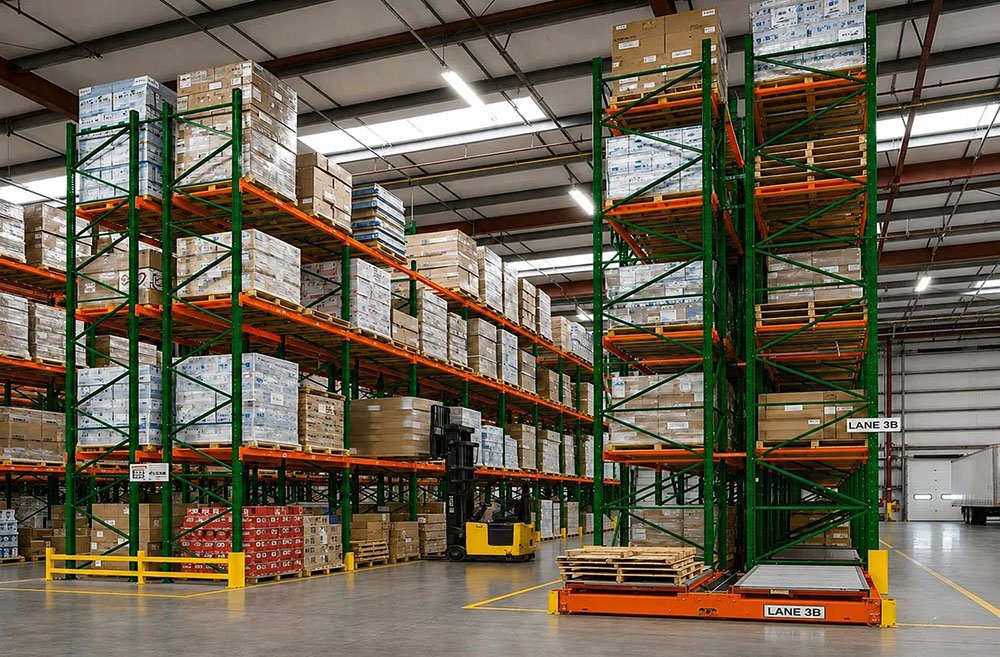
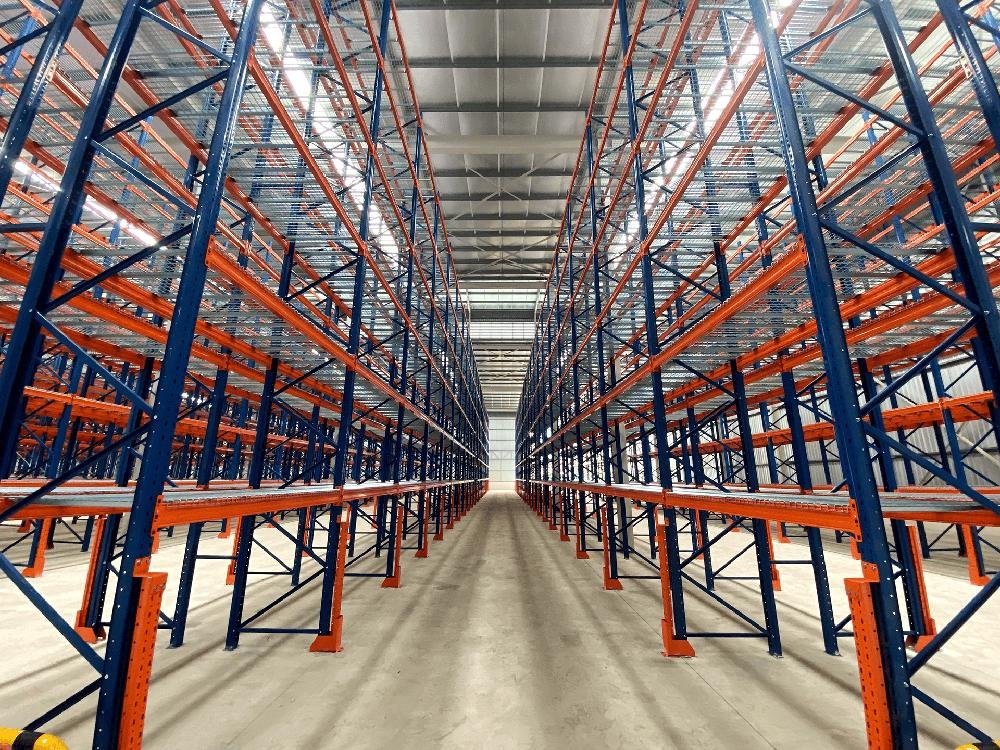
Selective pallet racking is a row-based storage structure made of upright frames and horizontal beams. Pallets rest on the beams, one pallet or two per bay and level, and each position faces an aisle. Because every pallet is reachable at any time, the system supports any stock rotation method, including first-in, first-out and last-in, first-out.
It is also called adjustable pallet racking, because the beams can be moved up or down on the uprights to fit different pallet heights. This flexibility is the main reason it suits warehouses that handle many different products.
Why Selective Pallet Racking Is So Widely Used
Several features explain its wide use.
- Direct access. Every pallet can be picked without moving others.
- Flexible layout. Beams adjust in height, and bays can be added or removed.
- Works with standard equipment. Most counterbalance and reach trucks can serve it.
- Many products supported. It suits operations with a large number of SKUs.
- Simple to expand. More bays or rows can be added as stock grows.
- Lower upfront cost per position. Compared with deeper systems, the structure is simpler.
The trade-off is space. Each row needs aisle access, so a selective layout uses more floor area per pallet than high density systems.
Main Components of a Selective Pallet Rack
| Component | What It Does |
|---|---|
| Upright frame | Vertical structure that carries the load down to the floor |
| Beam | Horizontal bar that holds the pallets at each level |
| Beam safety pin or lock | Stops the beam from lifting off the upright by accident |
| Frame bracing | Diagonal and horizontal ties that keep the frame stable |
| Base plate and anchor | Fixes the upright to the floor |
| Row spacer | Joins back-to-back rows and keeps the gap between them |
| Wire mesh deck | Optional surface for cartons and loose items |
| Pallet support bar | Optional bars that support pallets across the beams |
| Column and end-of-aisle guards | Protect uprights from forklift impact |
The overview of the warehouse racking system shows how these parts fit within a full storage layout.
Specifications to Confirm Before Buying
Most quoting problems start with an incomplete brief. The table lists the points that should be settled first.
| Specification | Why It Matters |
|---|---|
| Pallet size and type | Decides beam length, bay width, and pallet support needs |
| Maximum pallet weight | Sets the beam load rating |
| Number of pallets per bay | Affects beam length and total bay load |
| Number of levels | Determines upright height and frame strength |
| Total rack height | Limited by ceiling, sprinklers, and truck lift height |
| Upright section and steel thickness | Controls how much load the frame can carry |
| Beam section and length | Controls beam capacity and deflection |
| Aisle width | Depends on the forklift or reach truck used |
| Floor condition | The slab must carry the base plate loads |
| Surface finish | Powder coating, paint, or galvanizing for the environment |
Load capacity should be stated per beam level and per bay, and confirmed in a load table from the supplier. A rack should never be loaded beyond the stated rating.
Selective Pallet Racking vs Other Systems
Selective racking is the benchmark against which other systems are compared. The table below shows where it stands.
| System | Pallet Access | Space Use | Suited To |
|---|---|---|---|
| Selective pallet racking | Every pallet | Moderate | Many SKUs, mixed stock |
| Double deep racking | Front pallet first, second behind | Higher | Fewer SKUs, larger batches |
| Drive-in and push back | Limited by lane position | High | Large batches of the same item |
| Heavy-duty racking | Every pallet | Moderate | Very heavy pallets |
| Cantilever racking | Direct access to long items | Varies | Pipes, bars, timber |
A detailed comparison of the first two options appears in the guide to single deep vs double deep pallet racking. Where pallets are unusually heavy, heavy duty racking is the closer fit.
Layout and Aisle Planning
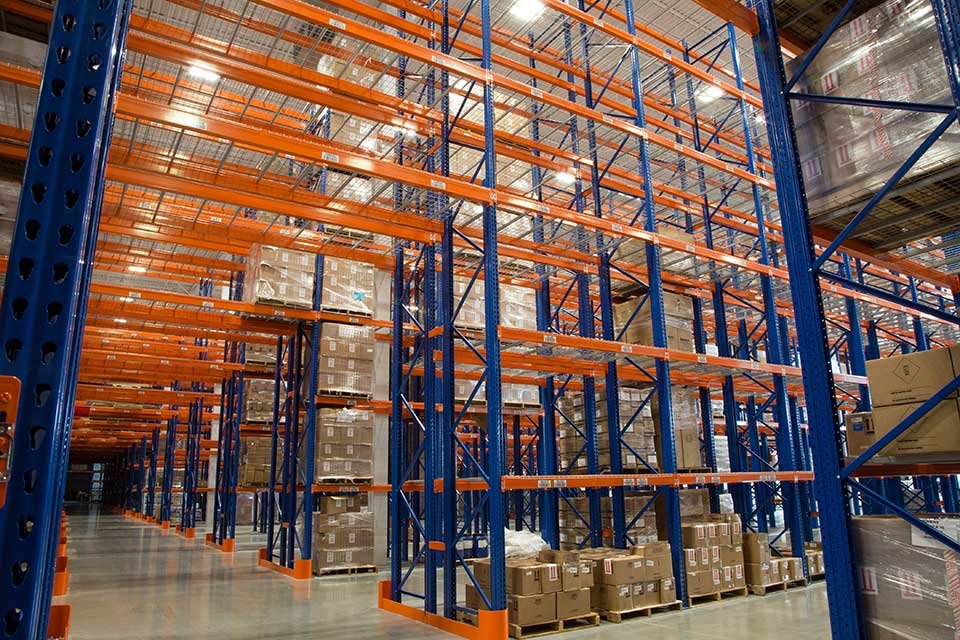
The layout decides how well the racking works day to day.
Single row. One row against a wall, with an aisle on one side. This suits small areas.
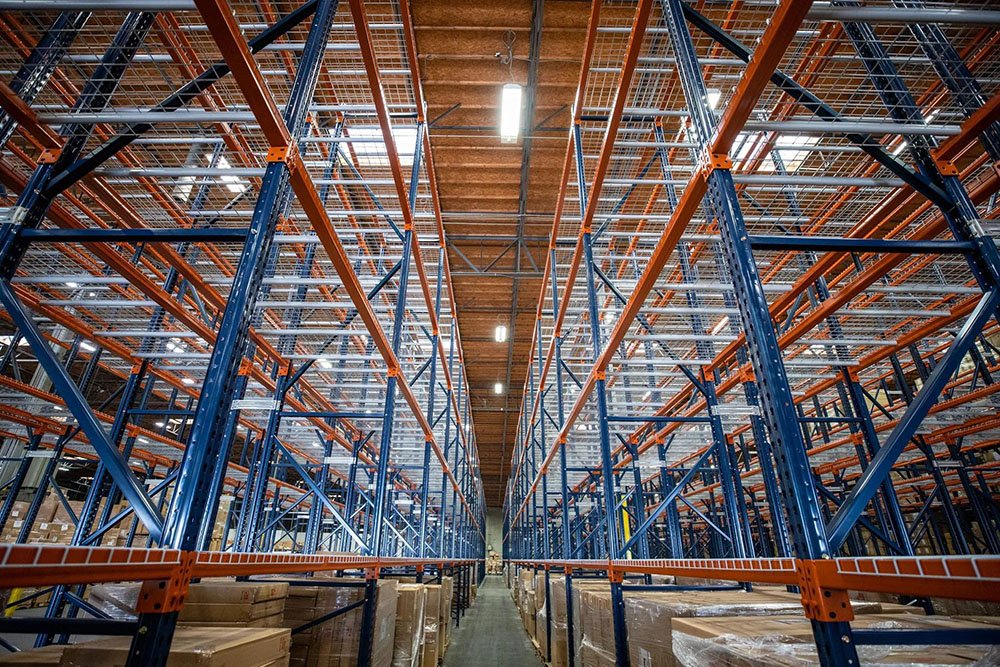
Back-to-back rows. Two rows share one set of uprights or are joined by row spacers, with aisles on the outer sides. This saves aisle space and is common in larger warehouses.
Aisle width. The aisle must suit the handling equipment. Counterbalance forklifts need wider aisles than reach trucks. Narrower aisles save space but need suitable trucks and trained drivers.
Clear height and sprinklers. Rack height and level spacing must leave room for fire sprinklers and lighting. Local fire rules may limit the stacking height.
Future growth. Leaving space for extra bays or rows avoids costly changes later.
What Drives the Cost of Selective Pallet Racking
Price differences between quotations come from the specification. The table lists the main factors.
| Cost Factor | Why It Matters |
|---|---|
| Steel quantity and grade | Steel is the largest cost item, and heavier sections cost more |
| Load rating | Higher loads need thicker uprights and stronger beams |
| Rack height and number of levels | Taller racks use more steel and stronger frames |
| Upright and beam section | Larger sections cost more per meter |
| Surface treatment | Powder coating, galvanizing, and special paint add different amounts |
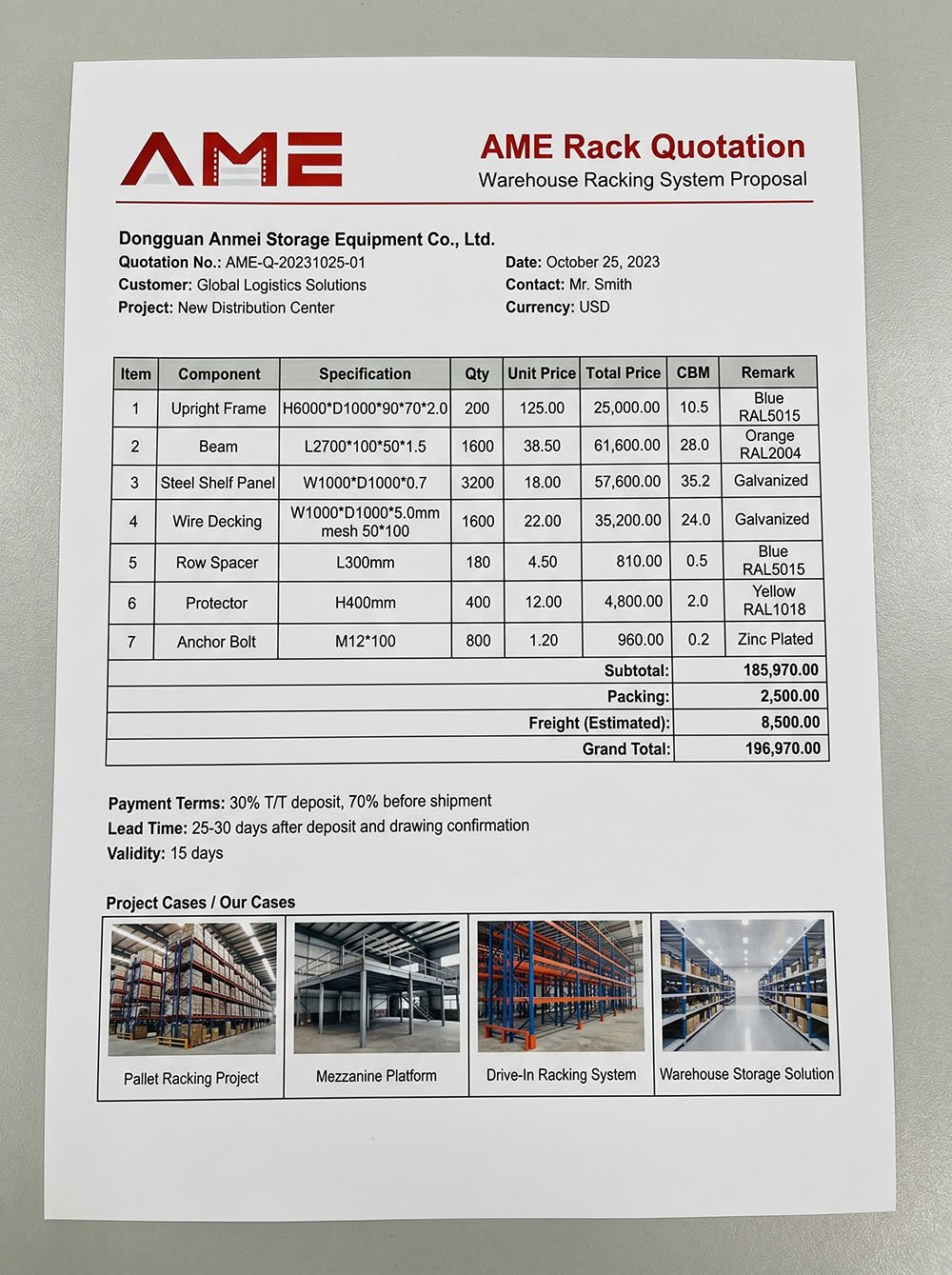
| Accessories | Wire decks, pallet supports, guards, and safety pins add up |
| Customization | Non-standard sizes or special layouts raise cost |
| Order quantity | Larger orders spread fixed costs and fill containers well |
| Packing and freight | Racking is bulky, so freight is a large share of the delivered cost |
| Installation | Local labor rates and site conditions change the final figure |
| Steel price and exchange rate | Both move over time, so quotations have a limited validity period |
Quotations should be compared on the same specification and the same delivered basis. A lower quote that uses thinner steel or leaves out accessories is not a true saving.
Buying Selective Pallet Racking from China
Many importers source selective racking from Chinese factories because capacity is large and options are wide. A structured approach reduces risk.
Prepare a clear brief. Include pallet size, pallet weight, rack height, number of bays, and the building layout.
Check the supplier. Ask whether the supplier is a factory or a trading company. Request production photos, a factory video, and references.
Request technical documents. Ask for drawings, a load table, steel mill certificates, and the coating specification. The load plates on the rack should match the load table.
Compare steel specifications. Check upright and beam sections and steel thickness. Two racks with the same dimensions can carry very different loads.
Understand trade terms. FOB, CIF, and DDP cover different costs. Compare them on a delivered basis, including port charges, duty, and delivery.
Plan packing and container loading. Ask how parts are bundled and labeled, and request a loading plan.
Arrange inspection. A third-party inspection before shipment can check dimensions, weld quality, coating, and packing.
Plan installation. Decide whether local crews or supplier technicians will install the racking, and ask for installation drawings and a manual.
The guide to selective pallet racking lists the standard configurations that can be specified for these projects.
Safety and Maintenance
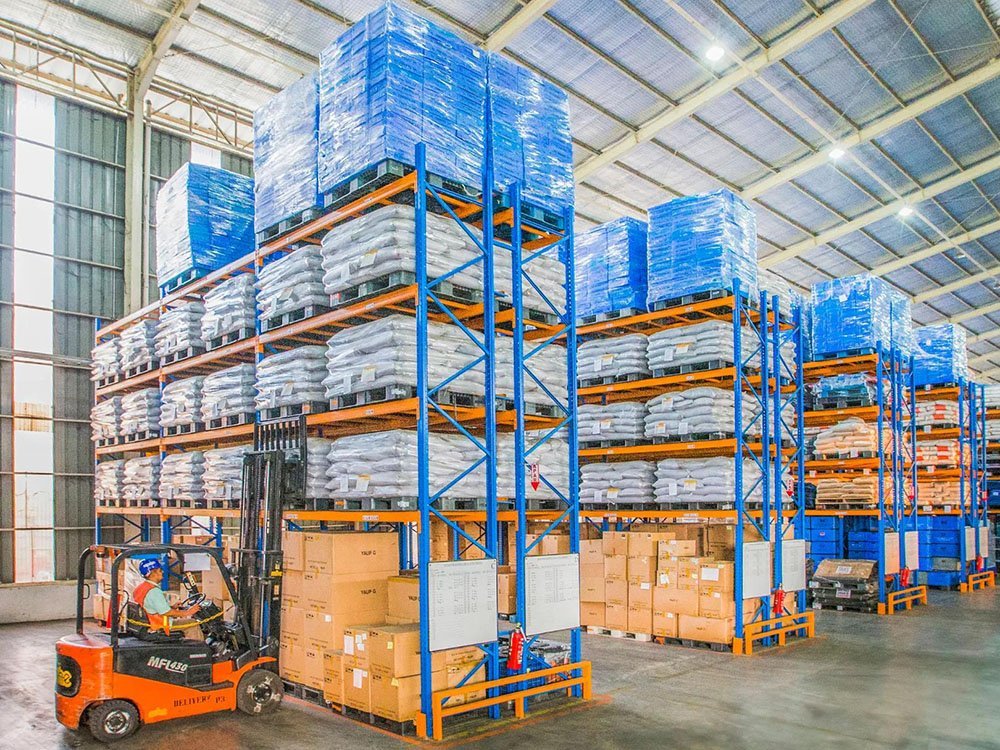
Racking carries heavy loads above head height, so safe use matters as much as good design. OSHA warehousing safety guidance is a useful reference for workplace hazards. Industry bodies such as the Rack Manufacturers Institute (RMI) and the European Federation of Materials Handling (FEM) publish design and use guidance that is followed in many countries.
Basic habits protect both people and goods:
- Display load capacity plates and never exceed the stated load.
- Inspect uprights and beams regularly for impact damage.
- Fit column protectors and end-of-aisle guards.
- Check that beam safety pins are in place after every beam change.
- Repair or replace damaged parts promptly instead of waiting.
- Train forklift operators on safe loading and handling.
Common Mistakes When Buying Selective Pallet Racking
- Ordering by price alone, without checking steel thickness and load ratings.
- Underestimating the weight of the heaviest pallet.
- Ignoring floor strength and sprinkler layout.
- Choosing aisles too narrow for the trucks in use.
- Comparing quotes that do not share the same specification.
- Leaving out freight, duty, and installation in the budget.
- Forgetting future growth when planning the layout.
Frequently Asked Questions
What is selective pallet racking?
Selective pallet racking is a storage system with upright frames and horizontal beams that holds pallets in rows along aisles. Every pallet position can be reached directly, without moving other pallets. It is the most widely used pallet rack and suits operations with many different products.
What are the advantages of selective pallet racking?
The main advantages are direct access to every pallet, adjustable beam heights, compatibility with standard forklifts, and easy expansion. It supports any stock rotation method. The trade-off is lower space efficiency than deeper systems, because each row needs aisle access.
How much weight can selective pallet racking hold?
It depends on the upright section, beam section, steel thickness, and bay height. The rated capacity is stated per beam level and per bay in the supplier’s load table. A rack should never be loaded beyond its rated load, and load plates should be displayed on the frame.
What is the difference between selective and double deep racking?
Selective racking gives direct access to every pallet, while double deep racking stores two pallets deep, so the rear pallet is reachable only after the front one is removed. Double deep saves aisle space but needs special trucks and suits fewer products in larger batches.
How wide should aisles be in a selective pallet racking layout?
Aisle width depends on the handling equipment. Counterbalance forklifts need wider aisles than reach trucks or narrow-aisle trucks. Narrower aisles save floor space but require suitable trucks and trained drivers. The truck maker’s turning and stacking data should be checked before the layout is fixed.
Can selective pallet racking be moved or expanded?
Yes. The parts are bolted or clipped together, so bays can be added, beams adjusted, and racks taken down and moved. Expansion is easier when the first layout left space for it, and when the same upright and beam sections remain available.
How long does it take to receive imported selective pallet racking?
A typical project takes about 45 to 90 days from order to delivery, covering production, sea freight, and customs clearance. Installation adds further time. Large orders, custom sizes, and peak season can extend the schedule, and quotations are usually valid for 30 to 60 days.
Conclusion
Selective pallet racking remains the most widely used pallet storage system because it gives direct access, adjusts easily, and works with standard equipment. Its main limit is space use, which is why many warehouses combine it with deeper systems for bulk stock.
A sound purchase starts with a clear brief: pallet size, weight, height, aisle width, and floor condition. Buyers who compare quotations on the same specification and the same delivered basis avoid most common problems. AME Rack, a Dongguan-based manufacturer that produces uprights and beams under ISO 9001, is one source of selective racking that importers can assess alongside other suppliers, using the load tables and test reports each one provides.